All posts by Alina

Brand Strategy Made Simple: Purpose, Positioning and Values

Building a strong and distinctive brand goes beyond designing logos and choosing colours; it’s about crafting a compelling story that resonates with the target audience and it always starts with WHY?

WHY do we exist? At the core of every brand lies a powerful purpose that drives everything they do. By understanding and communicating the purpose clearly, brands have a North Star that guide decisions, either internal or external and they establish a meaningful connection with their audiences: employees, partners, customers.

In this article, we will explore the elements that shape brand purpose and the link between purpose, positioning and values and exemplify through a world class brand.

The Brand Purpose refers to the reason for a brand’s existence beyond making profits. It encapsulates the brand’s higher mission and the impact it aims to have on its customers and the world. Brand purpose goes beyond selling products or services and focuses on the broader societal or environmental contributions a brand seeks to make. It defines the brand’s reason for being and serves as a guiding principle for its actions and decisions.

Brand Positioning is closely linked to Purpose and is about how a brand differentiates itself from competitors in the minds of the audience. It involves identifying and emphasizing the unique value proposition and competitive advantages that set the brand apart. Brand positioning is about finding a distinct space in the market (What is the market problem we are solving?) and establishing a favourable and memorable position in the minds of consumers. It answers the question, “Why should customers choose our brand over others?” and aims to create a compelling and differentiated perception of the brand.

Many times, a strong purpose statement (WHY your brand exists) is all it takes to align audiences, create a strong culture, and project a unified vision on the outside as well. Purpose, mission, vision, and positioning become the same as there is no one agreed term in brand strategy. But positioning has a higher degree of flexibility while purpose is overarching. Positioning can be applied to specific customer segments and markets while purpose impacts (or should impact) all segments alike.

Tesla’s brand purpose revolves around accelerating the world’s transition to sustainable energy.

Amazon’s Why is Earth’s most customer-centric company.

Sony creates technologies that inspire people to dream and find joy.

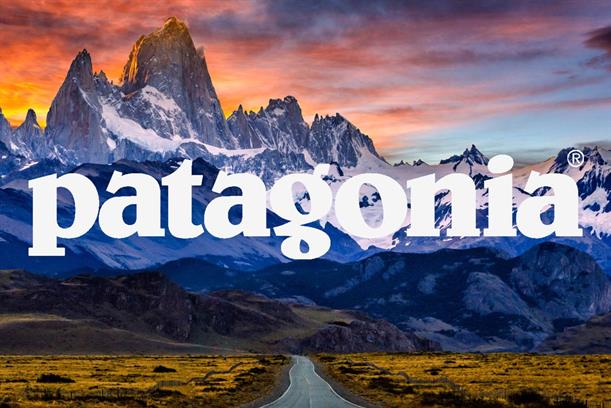
Patagonia is an outdoor apparel and equipment company known for its commitment to environmental sustainability and social responsibility. Their brand purpose goes beyond selling outdoor gear; it revolves around their mission statement: “We’re in business to save our home planet.”

Patagonia’s brand purpose is deeply rooted in their dedication to environmental activism and creating a positive impact on the planet. They actively strive to minimize their environmental footprint, promote sustainable practices, and inspire others to take action. They have implemented various initiatives such as using recycled materials in their products, supporting grassroots environmental organizations, and encouraging customers to repair and reuse their clothing rather than buying new ones.

By aligning their brand purpose with their products and business operations, Patagonia has cultivated a passionate community of loyal customers who share their values and appreciate the company’s commitment to sustainability. Their brand purpose drives their decision-making processes, shapes their messaging, and influences how they engage with their audience.

Patagonia’s brand purpose serves as a guiding principle for the company, influencing everything from their product development to their marketing campaigns. It demonstrates how a brand purpose can transcend product offerings and create a deeper connection with customers by aligning with their values and beliefs.

Patagonia’s Brand Values go deeper and explain “how they do things”, how they make hires, how they decide which causes to invest in or which strategic partnerships are on-brand. Their core values reflect their commitment to environmental sustainability, social responsibility, and fostering a love for the outdoors:

  1. Environmental Stewardship: They prioritize sustainable practices, minimize their ecological footprint, and advocate for the preservation of natural resources and wild places.
  2. Quality and Durability: Patagonia values the durability and longevity of their products. They design and produce high-quality gear that is built to last, reducing waste and promoting a culture of reuse and repair. They have detailed video and photo DIY repair guides on their website that teach customers to fix old clothes.
  3. Transparency: Patagonia openly shares information about their supply chain, materials used, and the environmental impact of their products, empowering customers to make informed choices. Fair trade has a dedicated chapter in all their initiatives and comms campaigns.
  4. Activism: Patagonia actively engages in environmental activism. They use their platform and resources to advocate for policy changes, support grassroots environmental organizations, and raise awareness about pressing environmental issues. They have many calls to action on their website including links to petitions and climate action events.
  5. Work-Life Balance: Patagonia values work-life balance and they encourage employees to pursue their passions outside of work, fostering a culture that supports personal well-being and a connection to nature.
  6. Innovation: They continuously seek new ways to improve their products and business practices, challenging conventional norms and driving positive change.

These values set Patagonia apart and resonate deeply with their target audience, creating a strong and loyal community of customers who share their values. Patagonia’s unconventional approach to business and their unwavering commitment to environmental and social causes have made them a unique and inspiring company within their industry.

By strategically considering and integrating purpose and values, these components of brand strategy, businesses can develop a strong and effective brand strategy that differentiates their brand, resonates with the target audience, and creates long-term brand loyalty.

Visual identity and tone of voice (Look, Feel & Sound) are also part of the key brand strategy elements. They play a pivotal role in shaping the brand’s perception. Visual identity is brought to life through carefully designed logo, symbols, colour palette and type family. The verbal identity is built through the tone of voice lens. These elements not only capture the essence of the brand but also leave a lasting impression.

We have recently partnered with Kremmer Branding and Design for UK and international branding projects and offer high value packages for new or established businesses: naming, brand strategy and design.


Brand Naming: Our Comprehensive Guide

Brand naming plays a crucial role in the success of a business. It serves as the foundation on which brand identity is built and determines how the brand is perceived in the market. To create an effective brand name, a systematic approach is essential. This article will guide you through our naming process here at Onomatopy, including the importance of a naming brief.


  1. RESEARCH:

Before diving into the naming process, it is mandatory to conduct a thorough research. This involves studying the target audience, competitors, market trends, and any existing names that may create confusion or conflict. By understanding the landscape, we can identify opportunities and avoid pitfalls.


  1. NAMING BRIEF:

A naming brief needs genuine insights whether you work with an agency, freelancer or naming or branding studio like us. It’s a tool that outlines the brand concept and naming objectives and provides a roadmap for the naming process, ensuring that the name aligns with your goals.

This is usually something we work together on with clients in a dedicated discovery workshop. Key components of a naming brief include:

a. Concept statement: a concise statement that describes the unique positioning of your brand – if it’s an already established brand. If you are creating a new brand, this is something you can work on with the naming specialists.

b. Overview: background information about the company, including its history, location, key people and core activities.

c. Market: the target audience in detail, including their demographics, psychographics, preferences, and behaviours. This helps tailor the name to resonate with your specific customer base.

d. Competitors, vendors, and partners: competitors’ names, naming trends on your specific market and any potential conflicts or confusion they may cause. We evaluate the strengths and weaknesses of competitors’ names to inform the naming strategy.

e. Naming history: If we’re rebranding or renaming a product, finding out about any previous names that have been considered helps avoid repetition and provides insights into past naming decisions.

f. Brand personality: the personality traits and attributes you want your brand name to convey. Consider adjectives that capture the desired brand image, ensuring they align with your target audience’s expectations.

g. Naming objectives: specific objectives or messages that the name should communicate. Successful names typically focus on one key message or trigger of curiosity.

h. Specific criteria: requirements and preferences for the name. This may include things like linguistic simplicity, use of alliteration or the use of specific languages or word types.

i. Make it personal: we dig for any relevant associations, personal preferences and anecdotes that could contribute to the naming process. These can serve as creative sparks and provide additional context for the development of the brand name.


  1. NAMING PHASES:

Once we have a comprehensive naming brief in place, the naming process can be divided into phases. These phases typically include:

a. Ideation: We generate a broad range of potential names, taking into account the criteria and objectives outlined in the naming brief. We encourage creativity and explore various linguistic and conceptual directions.

b. Evaluation: We review and evaluate the generated names against the distinctiveness, sound, positioning, energy, humanity, and memorability factors. We carefully discuss and consider feedback from stakeholders, conduct trademark searches, assess domain name availability and social/digital availability.

c. Refinement: We refine the shortlisted names based on feedback and further analysis. Ensure that the selected name aligns with the brand’s positioning, resonates with the target audience, and meets the naming objectives.

d. Validation: We test the potential name(s) with focus groups or target consumers to gauge their reactions and associations. This feedback can provide valuable insights and help refine the name if necessary.

e. Selection: Choose the final brand name that best aligns with all the criteria and objectives outlined in the naming brief. Ensure that the name has a positive emotional impact, is memorable, and reflects the brand’s essence.


  1. NAMING CRITERIA

To create an effective brand name, there are several factors we always  consider to craft a powerful and impactful brand name:

  1. Distinctiveness

Distinctiveness refers to the originality and strength of a brand name in comparison to its competitors. A distinctive name sets a brand apart from the crowd, making it memorable and instantly recognizable. To enhance distinctiveness, consider:

  • Avoiding generic terms or commonly used words.
  • Employing unique word combinations, neologisms, or creating new words.
  • Incorporating visual elements, symbols, or icons that accompany the name.


  1. Sound

The auditory appeal of a brand name greatly influences its memorability and likability. Factors to consider for a name’s sound quality include:

  • Pronounceability: Choose a name that is easy to pronounce and avoids complex or confusing phonetic combinations.
  • Alliteration, rhyme, and rhythm: Utilize these techniques to create a catchy and melodic name that rolls off the tongue.
  • Repetition: Repetitive sounds or syllables can enhance memorability and create a memorable brand name.
  • Linguistic flexibility and “verbability”: Consider whether the name can be transformed into a verb or action term, like “Google” or “Tweet,” which facilitates brand integration into everyday language.


  1. Positioning 

The positioning of a brand name aligns it with the industry, business category, or product it represents. Consider the following factors when evaluating the positioning of a brand name:

  • Relevance: Ensure that the name reflects the nature of the business and resonates with the target audience.
  • Consistency: The name should align with the company’s personality, values, and long-term goals.
  • Differentiation: The name should set the brand apart from competitors and create a unique positioning in the market.
  • If it’s a name that cannot position the brand in the category, then the tagline substitutes this need.


  1. Energy

The energy of a brand name refers to its ability to capture attention, generate interest, and evoke curiosity among consumers. Consider the following strategies to infuse energy into a brand name:

  • Evocative language: We choose words that elicit emotions, create intrigue, and stimulate curiosity.
  • Bold and impactful: We opt for a name that conveys a strong message, leaving a lasting impression on the audience.


  1. Humanity

A brand name’s humanity encompasses its capacity to evoke emotions, tell a story, and create a connection with consumers. Consider the following elements to infuse humanity into a brand name:

  • Emotional resonance: Select a name that elicits positive emotions or resonates with the target audience’s aspirations, values, or desires.
  • Storytelling: Craft a name that can be associated with a narrative, capturing the essence of the brand’s purpose or heritage.
  • AI tools like ChatGPT are great as a research tools but they lack deep insight and originality, a dimension that makes names unforgettable.


  1. Memorability

A memorable brand name is crucial for creating lasting impressions and facilitating brand recall. Consider the following techniques to enhance memorability:

  • Simplicity: Choose a name that is concise, easy to remember, and avoids complex or convoluted terms.
  • Familiar associations: Incorporate familiar words or concepts that resonate with the target audience, enabling quick recognition and recall.


  1. Ownability

The ownability of a brand name ensures its exclusivity and legal protection. We pre-test the following factors when assessing the ownability of a name:

  • Trademark availability: Conduct a thorough search to ensure the name is not already trademarked or in use by another company in a similar industry and for the targeted markets.
  • Domain name availability, the importance of a simple .com and social media channels availability for the chosen name.


Creating a powerful brand name requires a systematic approach and a clear understanding of your brand concept, objectives, and target audience. By conducting thorough research, developing a comprehensive naming brief, and following the naming phases, you can craft a name that resonates with consumers, sets your brand apart, and drives success in the market.

At Onomatopy, we create names for the global market which will help your company stand out, grow strong and resonate with customers across variuos cultures.

Written by Alina Chirvase, Senior Brand Strategist at Onomatopy. Get in touch. 


HOW TO NAME YOUR START-UP

Naming a start-up can be an exciting but equally a very challenging task. Depending on the company size and the naming brief, help from a professional naming team can bring the long term benefits of a great brand great name. An unforgettable name saves on marketing costs and can be that initial bridge to establish an emotional connection. Emotion is one of the ways through which humans memorize easier, it’s a trigger for curiosity and long-term memorability.

Here are some steps that you can follow to come up with a name for your start-up if professional help is not within easy reach  yet:


1. Dig into the naming trends of the industry you target and think outside the box. Perhaps the best strategy in a tech sector over saturated with names formed artificially with suffixes and prefixes or letter removals would be to come up with a very human approach. Think of names that tell a story, phrasal names, even if the final result is longer that you originally hoped for or it has two or three words instead of one. As long as the name is easy to pronounce and has some linguistic flexibility (ability to be verbalised in various contexts, think “google it!”) this can be a great choice.


2. Brainstorm words, phrases, and concepts that describe your startup’s purpose, values, and products or services. Try to come up with as many ideas as possible and write them down. AI based business name generator tools like Namelix can be helpful, but they open up so many threads of thinking that sometimes they make the whole process even more complex. Narrow down your search to a list of potential names while researching to see if they are already being used by other companies or if they are trademarked. Some ideas on how to do this below.

Have you heard of The Paradox of Choice, Barry Schwartz’s idea that the more options we have, the less likely we are to feel satisfied with the one we choose? At Onomatopy, we present only a limited number of names: the ones that are truly distinctive within the market. 

3. Check the availability of the domain name and social media handles for the names you’re considering. Having a consistent brand name across all platforms can help your start-up with SEO, AI search and online presence. Platforms like Namechk.com can help but searching on domain name registrars directly can be more efficient – when you have a winner, you can secure it.

Go to a domain registrar website or a domain name search tool, such as GoDaddy, Namecheap, or Domain.com. Some domain registrars offer high value packs that include hosting for your website, an affordable solution if the website is a basic presentation one, not a complex platform.

4. In parallel with the domain availability, check to see if they are already being used by other companies similar to yours or if they are trademarked. Trademark infringement can lead to legal issues and costly lawsuits, so it is crucial to do thorough research and check the availability of the name before finalizing it.

Avoid generic or descriptive terms that are commonly used in your industry. These terms may not be eligible for trademark registration, making it difficult to protect your brand. You can use the UK Intellectual Property Office (IPO) website to search for existing trademarks and once you have confirmed that the trademark is available, you can create a trademark application on the UK IPO website. The basic fee for filing a trademark application in the UK starts at £170 for online applications, but if you want to register the same trademark for multiple classes of goods or services, there is an additional fee for each class.

Consider hiring a trademark attorney who can help you conduct a more comprehensive search for potential trademark conflicts and advise you on whether the name is really available for registration in UK, Europe, USA and beyond. At Onomatopy, we have a trademark partner who has extensive experience and has worked with top global brands to secure their IP assets. We always do pre-checks before we propose any brand name, it’s part of our process. 


5. Don’t underestimate the cultural and linguistic checks: test your short list of names with your target audience in terms if meaning, pronunciation and memorability and get feedback. This will help you understand how your potential customers perceive your brand name and if the name resonates with them. Use this feedback to refine your list further.


6. Scalability: Finally, it is important to choose a name that can scale with the company’s growth and expansion plans. A name that is too narrow or specific to a particular product or service can limit the company’s future growth and make it difficult to expand into new markets or product lines.

When launching a company in multiple countries or regions, it’s essential to ensure that the chosen name does not have any cultural or linguistic connotations that could be perceived negatively in other countries. This requires extensive research and consultation with local experts.  So make sure you conduct a basic profanity check which naming professionals usually do with the help of linguists or with specific digital tools.

At Onomatopy, we can help you develop the perfect brand name that ticks these boxes and we create brands identities that are unique and align with your business goals. A name needs to be timeless, empathetic, and effective and have the capacity to create the right set of associations. This will help your company stand out, grow strong and resonate with customers. We also develop comprehensive visual platforms from logo design to website and office environment design in partnership with a highly talented team.

Written by Alina Chirvase, Senior Brand Strategist at Onomatopy. Get in touch. 

Brands Millennials Buy and the Stories Behind Their Names

Many brand names have captivating stories on how they came to life ranging from intense and laborious creative thinking to pure chance which can make the process look easy. A closer look shows us that naming is never as easy as it looks, even when the brand name was born by putting letters together on a tissue after a late dinner.

And while a lot has been written about the companies established from the 1950s onwards, some of the brands born later or in the digital age have amazing stories that were less shared in the popular culture. We’ll look at some of these:


  1. Spanx

Sara Blakely founded Spanx in 2000 in Atlanta as a brand of shapewear that has slimming and smoothing effects under clothing. According to Blakely, she chose the name “Spanx” because she wanted a name that was short, catchy, and memorable. She also liked that the name was edgy and could potentially generate some buzz.

Coined names are made-up names that can use associations for memorability like syllables rhythm or meaning of the whole word or parts of it. Constructed names are easier to trademark and the Spanx founder applied for a trademark herself and before researching the process. Today, Spanx is a well-known and successful brand of shapewear and undergarments.


  1. Pinterest:

Ben Silbermann, Paul Sciarra, and Evan Sharp founded Pinterest in 2010 as a platform for users to share and save visual content. The name “Pinterest” is a combination of “pin” (as in pinning something to a bulletin board) and “interest” and it started as a replacement of printed catalogs.


  1. Patagonia

Patagonia is a US-based outdoor clothing and gear brand founded by Yvon Chouinard in 1973. The name comes from the region in South America that spans parts of Argentina and Chile, which is known for its rugged landscapes and extreme weather conditions. Chouinard was inspired by a trip to Patagonia in the 1960s and decided to name his new company after the region. The name is a strong part of the brand story, personality, and of the sustainability aspect that stays at the core of their business.


  1. Allbirds

Allbirds is a US-based shoe brand founded by Tim Brown and Joey Zwillinger in 2016. The name relates to New Zealand, the country of “all birds” and to the fact that their shoes are made from sustainable materials like wool, which comes from a natural source. The brand’s mission is to create comfortable and stylish shoes that are also environmentally friendly.


  1. Spotify

The most popular music streaming platform in the world was founded in Sweden in 2006. The name “Spotify” is a combination of “spot” and “identify,” and was meant to represent the service’s ability to help users discover new music. The community building aspect and the fun have always been part of the brand DNA and intimately linked to the brand name.


  1. Veja

Veja is a French sneaker brand founded by Sébastien Kopp and François-Ghislain Morillion in 2005. The “Veja” comes from the Portuguese word for “look,” which represents the brand’s focus on transparency and ethical production. Veja’s sneakers are made from sustainable materials like organic cotton and wild rubber, and the brand is committed to fair work practices and to reducing its environmental impact.


  1. TOMS

TOMS is a US-based shoe brand founded by Blake Mycoskie in 2006. The name is short for “Tomorrow’s Shoes,” which represents the brand’s mission to create a better tomorrow through sustainable and ethical business practices. For every pair of shoes purchased, TOMS donates a pair to a child in need, a model many companies adopted such as Warby Parker.


  1. Uber

Travis Kalanick and Garrett Camp founded Uber in 2009 as a ride-sharing platform. The name “Uber” is a German word that means “above” or “over,” and was chosen to suggest that the service was “above” traditional taxi companies and above all that the industry knew before. Uber definitely shaped the sharing economy in many ways, some controversial but their name has always been a strong intangible asset due to its universal connotation of “better”.


  1. Pura Vida

Pura Vida is a US-based jewellery and accessories brand founded by Griffin Thall and Paul Goodman in 2010. The name “Pura Vida” comes from the Costa Rican phrase meaning “pure life,” which represents the brand’s focus on living a free, adventurous lifestyle. Pura Vida is known for its colorful, handmade bracelets and its commitment to supporting artisans around the world.


  1. Sweaty Betty

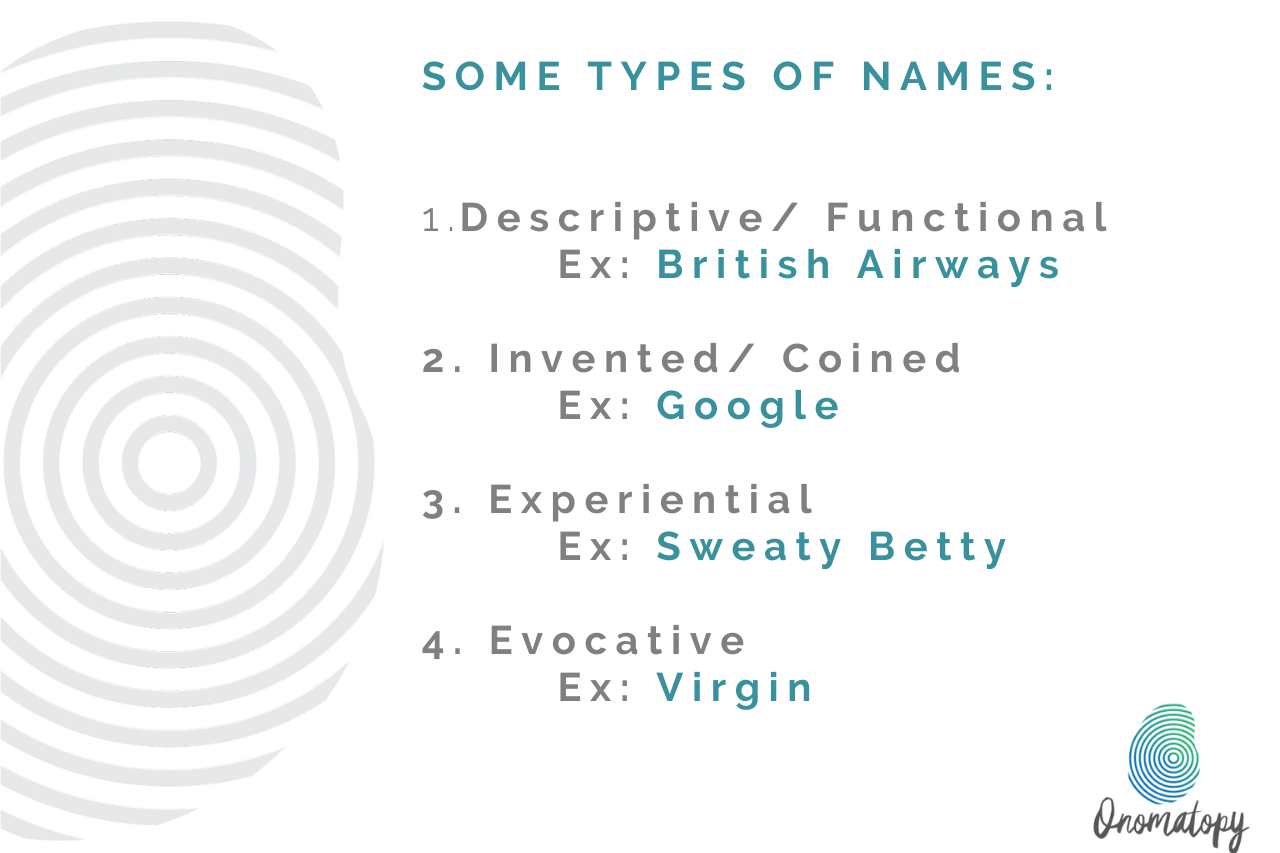
Sweaty Betty is a UK-based activewear brand founded by Tamara Hill-Norton in 1998. The name “Sweaty Betty” was inspired by a nickname that Tamara’s friends gave her while she was training for a triathlon. As she trained, Tamara noticed that there was a lack of stylish and high-quality activewear options for women, which led her to start her own brand. When it was the time to name the brand, Tamara decided to embrace her nickname “Sweaty Betty” and use it as a way to celebrate women who love fitness. Today, Sweaty Betty is known for its stylish and functional activewear, and the name has become synonymous with a strong, confident, and active lifestyle.


  1. Depop

Depop is a UK-based social shopping app founded by Simon Beckerman in 2011. The name “Depop” is short for “decentralized pop-up shop,” which represents the app’s focus on creating a global marketplace for vintage and second-hand fashion. Depop is popular with Gen Z for its sustainable and affordable fashion options and its community-driven platform.


  1. Glossier

Glossier is a US-based beauty brand founded by Emily Weiss in 2014. The name “Glossier” comes from the idea of products that enhance natural beauty and give skin a healthy, glowing “gloss.” The brand is known for its minimalist packaging and Instagram-friendly aesthetic.


At Onomatopy, we create brand names that are relevant, strong and unique. We always pre-test for trademark availability and domain names. Drop us a line to ask us about our process.

Onomatopy Glossary: Naming and Branding

Naming and branding terms explained, with examples, our own point of view and expert perspectives. Work in progress. New entries are added regularly.

A

Acronym

An acronym is a name formed from the initial letters of several words and pronounced as one word, such as NASA or LEGO (originally from the Danish leg godt).

Acronyms can become powerful brands over time, but they rarely communicate meaning on their own. Most need years of investment before people remember what they stand for.

Examples

  • NASA
  • UNESCO

Alliteration

Alliteration is the repetition of the same initial sound across two or more words. It makes names easier to remember and often more enjoyable to say.

Examples

  • Coca-Cola
  • Best Buy
  • PayPal

Arbitrary Name

An arbitrary name uses an existing word with no logical connection to the category. Because these names start with little meaning, they can become highly distinctive.

Examples

  • Apple
  • Amazon
  • Shell

B

Brand

A brand is the collection of perceptions, memories, expectations and experiences people associate with a business, product or person. It exists in the minds of customers rather than inside a company’s marketing department. A logo, colour palette or advertising campaign can shape a brand, but none of them is the brand itself.

In practice

Every interaction contributes to your brand. People may forget your latest campaign, but they remember the enduring value you provided, what you consistently stand for and whether you delivered on your promises. A name is often the first building block of a brand, but its meaning grows through experience. A memorable name may spark attention, but only consistent delivery turns a name into a brand.

Expert perspectives

Expert View
Jean-Noël Kapferer A brand is a system of meaning expressed consistently across identity, communication and experience. (The New Strategic Brand Management)
David Aaker A brand is a set of assets and liabilities linked to a name that add or subtract value. (Building Strong Brands)
Marty Neumeier A brand is a person’s gut feeling about a product, service or company. (The Brand Gap)
Byron Sharp Brands are memory structures that increase the likelihood of being noticed and bought. (How Brands Grow)
Denise Lee Yohn A brand is built through what a company says, does and consistently delivers. (What Great Brands Do)


Brand Architecture

Brand architecture defines how brands within a company relate to one another. It determines whether everything is grouped under one master brand, whether products and services operate as independent brands or follow a hybrid approach. It also deals with how new services fit into the existing portfolio.

Well designed architecture makes future growth easier while avoiding confusion for customers.

Examples

Branded House

Google: Google Maps – Google Drive – Google Photos

House of Brands

Procter & Gamble: Tide – Gillette – Pantene – Pampers – Oral-B

Hybrid

Microsoft – Microsoft Windows – Microsoft Teams – Bing – Xbox


Brand Associations

Brand associations are the ideas, emotions, memories and attributes people connect with a brand. Some are deliberately created through positioning and communication. Others develop through customer experience.

The strongest brands reinforce the same associations consistently over many years.

Examples

Volvo → Safety

Disney → Magic

Patagonia → Sustainability

IKEA → Affordable Scandinavian design


Brand Equity

Brand equity is the value a brand creates beyond the functional value of its products or services. It explains why people willingly pay more, trust more and remain loyal.

Expert perspectives

Expert View
David Aaker Equity comes from awareness, loyalty, quality and associations.
Kevin Lane Keller Equity lives in customer knowledge and response.
Byron Sharp Strong brands grow by increasing penetration rather than relying on loyalty alone.


Brand Essence

Brand essence is the central idea that captures the heart of a brand. Unlike a positioning statement, it is usually expressed in just a few words and works as a strategic compass rather than a marketing slogan.

Examples

  • Nike: authentic athletic performance
  • BMW: driving pleasure

Brand Extension

A brand extension uses an existing brand name to launch a new product or service.

Some names are flexible enough to support future growth. Others become limiting because they describe only one product or category. This is why future proofing is one of our naming criteria.

Examples

  • Apple Watch
  • Google Maps
  • Virgin Atlantic, Virgin Active, Virgin Money

Brand Identity

Brand identity is the collection of elements a company deliberately creates to express itself, including name, logo, typography, colour, messaging, tone of voice and visual language.

Identity is controlled by the business. Brand is created in people’s minds.

Example

Spotify: simple identity, distinctive green, consistent digital experience.

Expert perspectives

Expert View
Kapferer Identity is the brand’s self portrait.
Aaker Identity provides direction and meaning.
Neumeier Identity should express strategic difference simply and consistently.


Brand Positioning

Brand positioning is the distinctive place a brand aims to occupy in people’s minds relative to competitors. It has to explain why customers should choose you instead of someone else.

Positioning comes before naming. A name cannot compensate for unclear positioning. A great name doesn’t create positioning. It can express it, thus contributing to an initial “asymmetric advantage”.

Examples

  • Tesla → associated with innovation
  • Patagonia → associated with environmental responsibility

Expert perspectives

Expert View
Ries & Trout Positioning is owning a place in the customer’s mind.
Aaker Positioning defines the value proposition and supports brand identity.
Kapferer Positioning expresses what makes the brand unique within its category.


Brand Salience

Brand salience measures how easily a brand comes to mind in buying situations. Unlike awareness, salience focuses on being remembered at the right moment.

Byron Sharp argues that increasing mental availability across buying situations is one of the main drivers of brand growth.

Example: When someone thinks about coffee on the way to work, Starbucks may come to mind before independent cafés. That is salience.

Brand Strategy

Brand strategy is the long term plan for creating preference. It defines what your brand stands for, who it serves, how it differs from competitors and how every expression of the brand should reinforce that position.

A strong strategy guides decisions long after the logo has been designed. Without strategy, creative decisions become subjective. Naming, messaging and design all become stronger when they are rooted in a shared strategic direction. Strategy comes first. Story and messaging express strategy and gives it meaning.

Expert perspectives

Expert View
David Aaker Strategy builds long term brand equity.
Jean-Noël Kapferer Strategy protects identity while supporting growth.
Marty Neumeier Strategy aligns business, design and customer experience.
Al Ries & Jack Trout Strategy begins by owning a position in the customer’s mind.


C

Category Entry Points

Category Entry Points are the situations, needs or cues that trigger people to think about buying within a category. The concept was developed by the Ehrenberg-Bass Institute and popularised by Byron Sharp and Jenni Romaniuk.

Examples: Coffee

  • I’m tired
  • I’m driving
  • I need a meeting place

Examples: Travel

  • Summer holiday
  • Weekend break
  • Business trip

Examples: Insurance

  • Buying a house
  • Buying a car
  • Starting a business

Growing brands increase the number of buying situations in which they come to mind. A memorable name supports this process but cannot replace it.

Clearance Search

A clearance search is the legal review carried out before deciding on a brand name. It checks whether similar trademarks already exist in relevant markets and product classes.

Preliminary screening helps eliminate obvious conflicts. A full legal clearance should always be completed before deciding on a final name.

Coined Name

A coined name is a newly created word developed specifically for a brand. It may combine sounds, roots or linguistic patterns that did not previously exist as a word. More on name types in this article.

Examples

  • Kodak
  • Verizon
  • Accenture

Cognitive Fluency

Cognitive fluency describes how easily people process information. Things that are easier to read, pronounce and recognise often feel more familiar and trustworthy.

Names that are difficult to pronounce or spell may require greater marketing investment before people become comfortable using them.

Examples

Zoom, Slack and Stripe are all short, familiar and easy to process.

Competitive Namescape

A competitive namescape is a map of the names used within a category. Rather than analysing products, it analyses language, identifying overused patterns, opportunities for differentiation, naming trends and crowded territories.

This is one of the first steps in most Onomatopy naming projects.

Connotation

Connotation refers to the indirect, emotional or cultural meaning associated with a word beyond its main dictionary definition. The same word can carry different connotations in different cultures.

Naming specialists evaluate both denotation and connotation during he naming process.

Example

Phoenix. Dictionary meaning: a mythical bird. Connotations: renewal, rebirth, transformation, resilience.


D

Denotation

Denotation is the literal dictionary meaning of a word. It differs from connotation, which concerns emotional or symbolic associations.

Example

Apple. Denotation: a fruit. Connotation: creativity, innovation, design, technology. The power of branding comes from expanding meaning beyond denotation.

Descriptive Name

A descriptive name explains exactly what a business or product does. Examples include General Motors, Booking.com and British Airways.

Descriptive names are immediately understood but are often harder to protect legally and more difficult to differentiate. Name types in this article.

Differentiation

Differentiation is the process of creating meaningful distinction from competitors. Names play a role, but differentiation also comes from positioning, experience, product and communication.

Traditionally, branding has emphasised finding a unique position in the market. Authors such as David Aaker, Al Ries and Jack Trout argue that brands should establish a clear point of difference that competitors cannot easily copy.

Byron Sharp offers a different view. In How Brands Grow, he argues that sustainable growth depends less on being radically different and more on building distinctive brand assets that make a brand easy to recognise and remember.

These ideas are complementary rather than contradictory. A business still needs a compelling value proposition, but customers often choose familiar brands because they are easier to notice and recall.

Examples

Patagonia differentiates through environmental activism. Apple combines product innovation with highly distinctive visual and verbal assets.

Expert perspectives

Expert View
Al Ries & Jack Trout Own a unique position in the customer’s mind.
David Aaker Differentiate through meaningful brand associations and value.
Byron Sharp Focus less on uniqueness and more on building distinctive assets that improve recognition and mental availability.
Marty Neumeier Difference creates preference. Successful brands create clear meaning that people can recognise and remember.


A strong name should support differentiation, but it works alongside consistent branding, customer experience and communication.


Distinctive Brand Assets

Distinctive Brand Assets are the recognisable cues people use to identify a brand without seeing its name. The concept was developed by Jenni Romaniuk and expanded within the Ehrenberg-Bass Institute.

Assets can include

  • Name
  • Logo
  • Colour
  • Shape
  • Packaging
  • Typeface
  • Mascot
  • Sonic identity
  • Tagline

Examples

  • The Nike Swoosh
  • Tiffany Blue
  • Netflix’s “ta dum”
  • McDonald’s Golden Arches
  • The Coca-Cola bottle shape

Expert perspectives

Expert View
Jenni Romaniuk Distinctive assets improve recognition and memory.
Byron Sharp They strengthen mental availability.
Aaker They reinforce brand associations and equity.


Common mistake: Confusing distinctive with different. A distinctive asset doesn’t need to be unique. It needs to be consistently recognised.

E

Experiential Name

An experiential name reflects what customers experience when using a product or service. Examples include Safari, Explorer and Navigator. These names are usually easier to understand than evocative names but often face greater competition for trademark registration.

Expertise

Expertise is recognised knowledge and judgement developed through experience and consistently demonstrated over time. Unlike credentials, expertise is validated by other people. It is what clients trust you to solve.

David C. Baker (The Business of Expertise) argues that expertise is created through increasing focus, not expanding services. Generalists compete on availability. Experts compete on judgement. The more clearly your expertise is defined, the easier it becomes for clients to understand why they should choose you.

Example

Compare these two introductions. “I do branding.” “I help founders create distinctive brand names that become strategic assets.” The second communicates expertise far more clearly.

F

Future Proof Naming

Future proof naming is the practice of choosing a name that allows a business to evolve without becoming restrictive.

Examples

Amazon no longer sells only books. Apple no longer makes only computers. Netflix no longer rents DVDs. Each name proved flexible enough to support expansion into new markets.

Common mistake: Choosing names such as London Office Supplies, Manchester Plumbing Services or Best Mortgage Brokers. These may communicate today’s business but limit tomorrow’s opportunities.

I

Initialism

An initialism is formed from the first letters of several words but pronounced letter by letter, unlike an acronym, which is spoken as a word.

Examples

  • BBC
  • IBM
  • BMW

Invented Name

An invented name is created specifically for a brand. Some are built from linguistic roots. Others are designed primarily for sound, rhythm and memorability.

Examples

Google, Oreo and Xerox illustrate different approaches to invented naming.

M

Memorability

Memorability refers to how easily people remember a name. Factors influencing memorability include pronunciation, rhythm, sound symbolism, familiarity, distinctiveness and repetition.

People rarely remember names because they are clever. They remember names because they are easy to recognise and repeatedly reinforced.

Mental Availability

Mental availability is the likelihood that buyers think of a brand in buying situations. According to Byron Sharp, growing brands are those that are easier to notice and easier to recall across many Category Entry Points.

Mental availability differs from awareness. People may know a brand exists but never think of it when making a purchase.

Naming contributes to mental availability through memorability, distinctiveness and repeated exposure. No name can create mental availability without consistent marketing and customer experience.

Example

Most people recognise dozens of bottled water brands. Only a handful come to mind when they are actually thirsty.


N

Naming Brief

A naming brief defines what a name needs to achieve. The better the brief, the better the names.

A good brief includes

  • Positioning
  • Audience
  • Competitors
  • Naming objectives
  • Practical constraints
  • Evaluation criteria

Naming Strategy

Naming strategy is the structured process of deciding what role a name should play within a broader brand strategy. It defines what the name should communicate, how different it should be, whether it should describe or suggest, and whether it needs to support future expansion.

A successful naming project starts with strategy rather than brainstorming.

Neologism

A neologism is a newly created word. Many successful brands eventually become accepted as ordinary words.

Examples

  • Google
  • Xerox
  • Velcro

P

Personal Brand

A personal brand is the reputation and expectations people associate with someone. It develops through expertise, behaviour, communication and experience, whether intentionally managed or not.

Everyone has a personal brand. Not everyone develops it deliberately.

Visibility creates awareness. Expertise creates trust. Consistency builds reputation.

Examples

  • Brené Brown
  • Rory Sutherland

Expert perspectives

Expert View
Tom Peters Every professional is the CEO of their own brand. (The Brand Called You)
Denise Lee Yohn Strong personal brands align values, behaviour and communication.
David C. Baker Expertise creates authority. Position yourself around what you want to become known for, not everything you can do. (The Business of Expertise, Secret Tradecraft of Elite Advisors)

Phonaestheme

A phonaestheme is a recurring sound that people associate with a particular meaning. Brand naming often uses these subconscious sound associations.

Examples

  • gl → light: glow, glitter, gleam
  • sn → nose or mouth: sniff, snore, snout

Phonetics

Phonetics studies how speech sounds are produced and perceived. For naming specialists, phonetics helps evaluate pronunciation across languages and cultures.

Positioning Statement

A positioning statement summarises who the brand serves, what it offers and why it is different. Unlike a tagline, it is an internal strategic tool.

S

Sound Symbolism

Sound symbolism is the idea that speech sounds carry emotional or sensory associations. Words containing sharp consonants often feel faster or lighter than those containing rounded vowel sounds.

Sound symbolism influences perception before people understand meaning. It is one of the most overlooked aspects of brand naming. Source.

T

Trademark

A trademark protects the names, logos and other identifiers that distinguish one business from another. Registering a trademark gives the owner exclusive rights within specific product or service classes.

Trademark protection is one of the final and most important filters in any naming project. A name should never be chosen solely because the domain is available.

Trademark Screening

Trademark screening is an early search carried out before investing further in a potential name. It identifies obvious conflicts but does not replace a full legal clearance conducted by a trademark professional.

Tone of Voice

Tone of voice is the consistent way a brand communicates through language. It influences vocabulary, sentence structure and personality.

A distinctive tone makes a brand recognisable even when its logo is absent.

V

Verbability

Verbability describes a name’s ability to express dynamism and to become a verb. Verbable names often become deeply embedded in everyday language, although this can also create trademark challenges.

Examples

  • Google it
  • Uber home
  • Photoshop the image

W

Word Mark

A word mark protects the words themselves rather than a logo or graphic treatment. This usually provides broader legal protection than registering only a visual logo.


Further Reading

  • David Aaker, Building Strong Brands
  • David Aaker, Aaker on Branding
  • Jean-Noël Kapferer, The New Strategic Brand Management
  • Byron Sharp, How Brands Grow
  • Marty Neumeier, The Brand Gap
  • Marty Neumeier, Zag
  • Denise Lee Yohn, What Great Brands Do
  • Al Ries & Jack Trout, Positioning
  • Kevin Lane Keller, Strategic Brand Management
  • Rob Meyerson, Brand Naming
  • Alexandra Watkins, Hello, My Name Is Awesome
  • Jenni Romaniuk, Building Distinctive Brand Assets
  • David C. Baker, The Business of Expertise
  • David C. Baker, Secret Tradecraft of Elite Advisors
  • Tom Peters, The Brand Called You
  • WIPO, Making a Mark
  • UK Intellectual Property Office guidance
  • EUIPO guidance