All posts by Alina

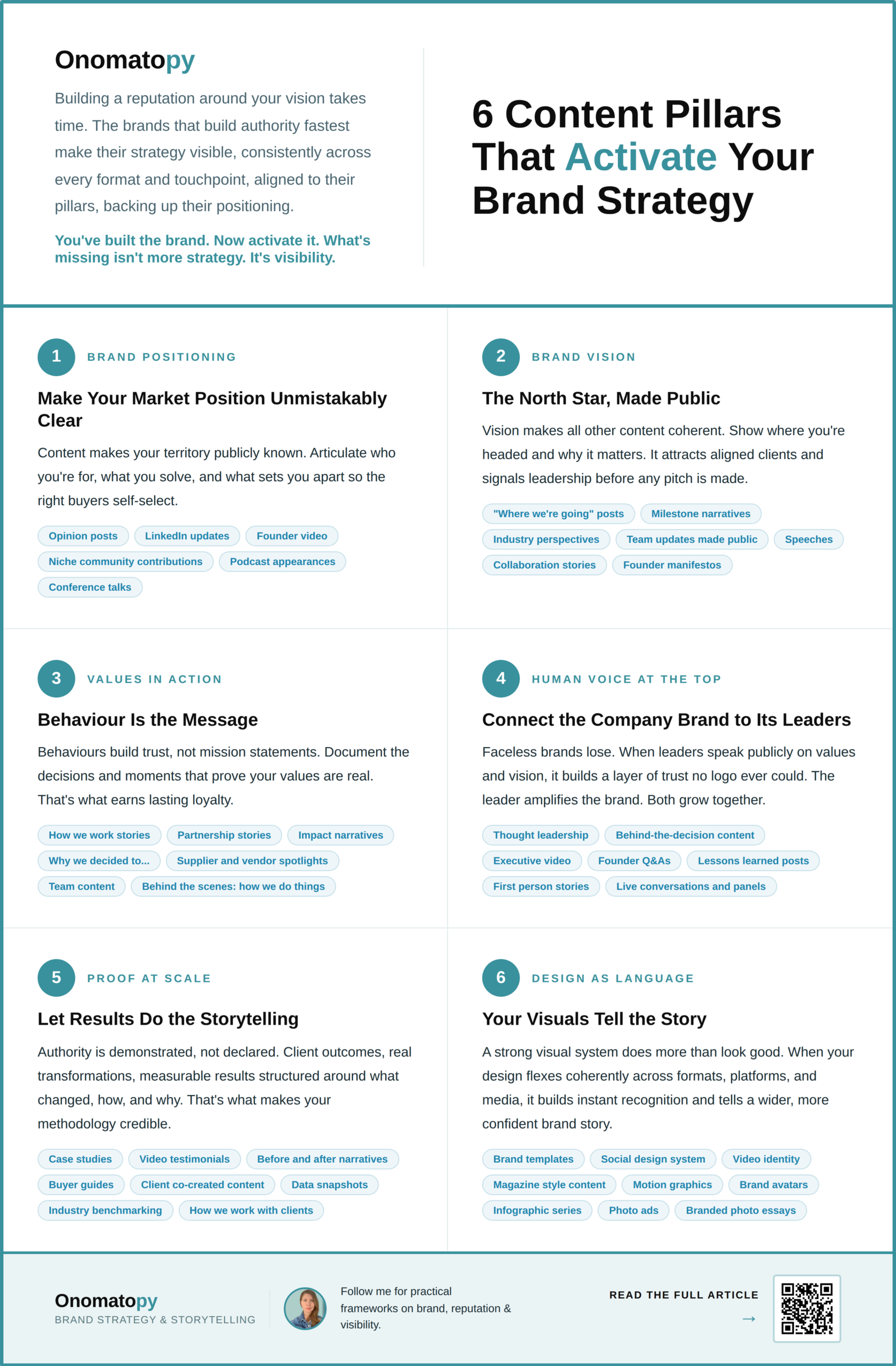
6 Content Pillars That Activate Your Brand Strategy

You’ve built the brand. Now it’s time to activate it.

You have the positioning, the vision, the values, and the brand design. The foundation is solid. What’s missing isn’t more strategy, it’s activation. These are 6 content moves that help medium-sized businesses establish their voice as industry experts and own the conversation in their category.


1. Brand Positioning: Make Your Market Position Unmistakably Clear

Your brand occupies a specific territory in the market. Content is how that territory becomes publicly known and consistently reinforced. Regularly articulate the problems you solve, your point of difference, and the clients you’re built for so the right buyers self-select before a conversation ever happens.

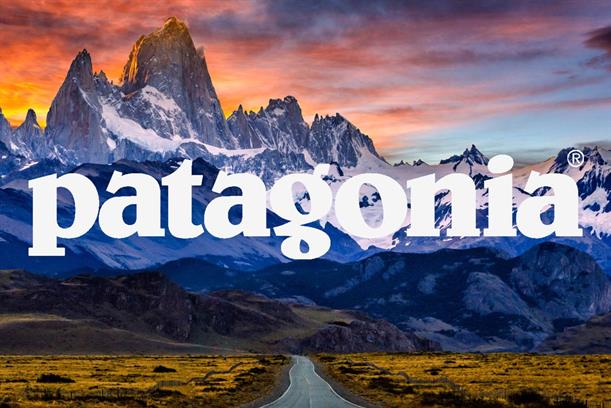
One example is Patagonia’s consistent refusal to chase mass retail. Their content constantly reinforces who they’re for and who they’re not for, making their market position self-filtering.

Formats that work: short-form opinion posts, company LinkedIn updates, founder video takes on industry challenges, niche community contributions, podcast appearances, conference talks.


2. Brand Vision: The North Star, Made Public

Vision is the north star that makes all other content coherent. Content rooted in where your company is headed and why it matters builds magnetic pull. It attracts aligned clients, inspires talent, and signals genuine leadership to the market before a single pitch is made.

One example is IKEA – their vision is “to create a better everyday life for the many,” and every content decision flows from that. Flat-pack furniture wasn’t a cost-cutting measure they apologised for, it was framed as democratising good design, making it accessible to people who couldn’t afford interior designers or premium furniture. That vision-led narrative turned a logistical compromise into a brand ideology that billions of people identify with.

Formats that work: “where we’re going” posts, company milestone narratives, industry perspectives, team updates made public, speeches, collaboration stories, founder manifestos.


3. Values in Action: What You Do Is What You Stand For

Mission statements don’t build trust, behaviours do. Document the decision making processes, partnerships, and moments that prove your values aren’t wall décor. This is the content that earns lasting loyalty from clients, talent, and partners alike.

One classic example is the Netflix Culture Deck: instead of a mission statement on a wall, they published exactly how they make decisions, what they reward, and what they won’t tolerate. It became one of the most shared internal documents in Silicon Valley history.

Formats that work: how we work stories, partnership stories, impact narratives, why we decided to…, supplier and vendor spotlights, team content, behind the scenes: how we do things.


4. Human Voice at the Top: Connect the Company Brand to Its Leaders

Faceless brands lose. When executives and founders speak publicly on values, decisions, and vision, it humanises the company and builds a layer of trust no logo ever could. The leader’s voice amplifies the brand; the brand elevates the leader. Both grow together.

A great example is Sara Blakely, founder of Spanx: by publicly sharing the rejections, the scrappy beginnings, and the unglamorous reality of building the business, Blakely turned her personal voice into the brand’s greatest asset. Spanx became a billion-dollar company that no competitor could replicate, because no one could copy her story.

Formats that work: thought leadership posts, behind-the-decision content, executive video, founder Q&As, lessons learned posts, first person stories, live conversations and panels.


5. Proof at Scale: Let Results Do the Storytelling

The brands that dominate their categories don’t just claim authority, they demonstrate it. Case studies and client outcomes are narrative proof of your methodology. Structure them around transformation: the before, the decision, the process, and the measurable after.

One example is Salesforce’s customer success stories: structured not as testimonials but as full transformation narratives, showing the exact before, the decision, and the measurable business outcome, making the methodology as credible as the result.

Formats that work: case studies, outcome-led video testimonials, before and after transformation narratives, buyer guides, client co-created content, data snapshots, industry benchmarking, how we work with clients.


6. Design as Language: Your Visuals Tell the Story

A strong visual system does more than look good. When your design flexes coherently across formats, platforms, and media, it builds instant recognition and tells a wider, more confident brand story. A flexible visual system that works consistently across every touchpoint – from social to pitch decks to video – is one of the most underleveraged content tools an established brand has.

An example is Innocent Drinks: from the hand-drawn illustrations on their packaging to the grass on top of their vans, every touchpoint used the same flexible visual language. That consistent system travelled from supermarket shelves to social media to festivals, building a brand personality so distinctive it was impossible to copy and instantly recognisable without a single word.

Formats that work: brand templates, social design system, video identity, magazine style content, motion graphics, brand avatars, infographic series, photo ads, branded photo essays.


The brands winning in their categories aren’t necessarily the biggest or the loudest. They’re the ones whose content makes their expertise impossible to ignore. If the foundation is already built, the only question is whether the right people can see it.

Follow me on LinkedIn for practical frameworks on brand, reputation & visibility: www.linkedin.com/in/alinachirvase.

Reach out if you need brand strategy & storytelling help: alina@onomatopy.com
 

Ten Ways in which Brand Names Are Linked to Strategy

A brand name is much more than just a label. It is a powerful asset that shapes a brand’s identity, perception, and ultimate success. In the world of branding, where differentiation and recognition are paramount, the right brand name serves as a foundational element within this strategy, teaming up with the logo to become the face of the brand. The name is the most used communication vehicle of a brand.

At its core, branding aims to create a distinctive and memorable identity for a product, service, company or cause. Brand strategy, on the other hand, outlines the long-term plan for developing and managing a brand to achieve specific objectives.

A well-crafted brand name can leave a lasting impression on consumers and serves as a powerful communication tool, encapsulating the essence, values, and promise of a brand. It has the ability to capture attention, generate interest, and convey brand attributes.

Think of iconic brand names like Coca-Cola or Apple, which immediately evoke emotions and associations like happiness or intuitive. Nike’s name is short and memorable, evoking the Greek goddess of victory and aligning with the brand’s focus on sports excellence. Netflix initially focused on DVD rentals by mail. As the company transitioned to online streaming, the brand name remained relevant by reflecting the initial core offering of entertainment “flicks” while adapting to new delivery methods.

Here are 10 ways in which brand names relate to brand strategy:


  1. Differentiation:

Brand names play a crucial role in distinguishing a brand from competitors. A well-crafted brand name can communicate uniqueness, positioning, and a distinctive value proposition, helping the brand stand out in the market.


  1. Brand Identity:

A brand name is an essential component of a brand’s identity. It becomes a recognizable symbol that represents the brand’s values, personality, and overall essence, allowing consumers to form connections and associations with the brand.


  1. Target Audience Alignment:

The choice of a brand name should align with the brand’s target audience. By considering the preferences, language, and cultural nuances of the target market, a brand name can effectively resonate with the intended audience and facilitate better connection and engagement.


  1. Brand Positioning:

Brand names contribute to the positioning of a brand in the marketplace. The right brand name can evoke certain emotions, perceptions, and associations that align with the desired positioning strategy, whether it’s luxury, affordability, innovation, or other key attributes.


  1. Brand Extension:

A well-established brand name can facilitate brand extension efforts. When a brand has a strong reputation and equity, extending the brand into new product categories or market segments becomes easier as the brand name carries recognition and trust.


  1. Brand Recall and Memorability:

A brand name that is memorable and easy to recall aids in brand recognition and recall. A distinct and catchy brand name makes it more likely for consumers to remember and seek out the brand when making purchasing decisions.


  1. Brand Storytelling:

A brand name can serve as a starting point for brand storytelling. It can encapsulate the brand’s narrative, values, or origins, allowing consumers to connect with the brand on a deeper level and fostering emotional engagement.


  1. Brand Perception and Credibility:

The right brand name can shape the perceived credibility and trustworthiness of a brand. A well-chosen name that aligns with the brand’s positioning and values can enhance the brand’s reputation and credibility in the eyes of consumers.


  1. International Expansion:

When expanding into new markets, a brand name must be adaptable and culturally sensitive. Considering linguistic and cultural factors ensures that the brand name resonates positively with the local audience and avoids unintended negative associations.


    10. Long-Term Brand Equity:

Brand names contribute to the development of long-term brand equity. Over time, a well-known and respected brand name becomes an intangible asset that holds value and creates a foundation for brand loyalty and customer advocacy.


A well-chosen brand name aligns with strategy and fosters brand recognition. In a dynamic market environment, brands may need to evolve and adapt over time. This can include changes to brand names due to market shifts, rebranding efforts, or international expansion. However, altering an established brand name is not without challenges. It must be done thoughtfully to preserve existing brand equity while reflecting the brand’s evolution.

In the world of branding, a brand name is more than a word – it’s a gateway to the hearts and minds of consumers. At Onomatopy, we craft global brand names for companies of any size.


Brand Strategy Made Simple: Purpose, Positioning and Values

Building a strong and distinctive brand goes beyond designing logos and choosing colours; it’s about crafting a compelling story that resonates with the target audience and it always starts with WHY?

WHY do we exist? At the core of every brand lies a powerful purpose that drives everything they do. By understanding and communicating the purpose clearly, brands have a North Star that guide decisions, either internal or external and they establish a meaningful connection with their audiences: employees, partners, customers.

In this article, we will explore the elements that shape brand purpose and the link between purpose, positioning and values and exemplify through a world class brand.

The Brand Purpose refers to the reason for a brand’s existence beyond making profits. It encapsulates the brand’s higher mission and the impact it aims to have on its customers and the world. Brand purpose goes beyond selling products or services and focuses on the broader societal or environmental contributions a brand seeks to make. It defines the brand’s reason for being and serves as a guiding principle for its actions and decisions.

Brand Positioning is closely linked to Purpose and is about how a brand differentiates itself from competitors in the minds of the audience. It involves identifying and emphasizing the unique value proposition and competitive advantages that set the brand apart. Brand positioning is about finding a distinct space in the market (What is the market problem we are solving?) and establishing a favourable and memorable position in the minds of consumers. It answers the question, “Why should customers choose our brand over others?” and aims to create a compelling and differentiated perception of the brand.

Many times, a strong purpose statement (WHY your brand exists) is all it takes to align audiences, create a strong culture, and project a unified vision on the outside as well. Purpose, mission, vision, and positioning become the same as there is no one agreed term in brand strategy. But positioning has a higher degree of flexibility while purpose is overarching. Positioning can be applied to specific customer segments and markets while purpose impacts (or should impact) all segments alike.

Tesla’s brand purpose revolves around accelerating the world’s transition to sustainable energy.

Amazon’s Why is Earth’s most customer-centric company.

Sony creates technologies that inspire people to dream and find joy.

Patagonia is an outdoor apparel and equipment company known for its commitment to environmental sustainability and social responsibility. Their brand purpose goes beyond selling outdoor gear; it revolves around their mission statement: “We’re in business to save our home planet.”

Patagonia’s brand purpose is deeply rooted in their dedication to environmental activism and creating a positive impact on the planet. They actively strive to minimize their environmental footprint, promote sustainable practices, and inspire others to take action. They have implemented various initiatives such as using recycled materials in their products, supporting grassroots environmental organizations, and encouraging customers to repair and reuse their clothing rather than buying new ones.

By aligning their brand purpose with their products and business operations, Patagonia has cultivated a passionate community of loyal customers who share their values and appreciate the company’s commitment to sustainability. Their brand purpose drives their decision-making processes, shapes their messaging, and influences how they engage with their audience.

Patagonia’s brand purpose serves as a guiding principle for the company, influencing everything from their product development to their marketing campaigns. It demonstrates how a brand purpose can transcend product offerings and create a deeper connection with customers by aligning with their values and beliefs.

Patagonia’s Brand Values go deeper and explain “how they do things”, how they make hires, how they decide which causes to invest in or which strategic partnerships are on-brand. Their core values reflect their commitment to environmental sustainability, social responsibility, and fostering a love for the outdoors:

  1. Environmental Stewardship: They prioritize sustainable practices, minimize their ecological footprint, and advocate for the preservation of natural resources and wild places.
  2. Quality and Durability: Patagonia values the durability and longevity of their products. They design and produce high-quality gear that is built to last, reducing waste and promoting a culture of reuse and repair. They have detailed video and photo DIY repair guides on their website that teach customers to fix old clothes.
  3. Transparency: Patagonia openly shares information about their supply chain, materials used, and the environmental impact of their products, empowering customers to make informed choices. Fair trade has a dedicated chapter in all their initiatives and comms campaigns.
  4. Activism: Patagonia actively engages in environmental activism. They use their platform and resources to advocate for policy changes, support grassroots environmental organizations, and raise awareness about pressing environmental issues. They have many calls to action on their website including links to petitions and climate action events.
  5. Work-Life Balance: Patagonia values work-life balance and they encourage employees to pursue their passions outside of work, fostering a culture that supports personal well-being and a connection to nature.
  6. Innovation: They continuously seek new ways to improve their products and business practices, challenging conventional norms and driving positive change.

These values set Patagonia apart and resonate deeply with their target audience, creating a strong and loyal community of customers who share their values. Patagonia’s unconventional approach to business and their unwavering commitment to environmental and social causes have made them a unique and inspiring company within their industry.

By strategically considering and integrating purpose and values, these components of brand strategy, businesses can develop a strong and effective brand strategy that differentiates their brand, resonates with the target audience, and creates long-term brand loyalty.

Visual identity and tone of voice (Look, Feel & Sound) are also part of the key brand strategy elements. They play a pivotal role in shaping the brand’s perception. Visual identity is brought to life through carefully designed logo, symbols, colour palette and type family. The verbal identity is built through the tone of voice lens. These elements not only capture the essence of the brand but also leave a lasting impression.

We have recently partnered with Kremmer Branding and Design for UK and international branding projects and offer high value packages for new or established businesses: naming, brand strategy and design.


Brand Naming: Our Comprehensive Guide

Brand naming plays a crucial role in the success of a business. It serves as the foundation on which brand identity is built and determines how the brand is perceived in the market. To create an effective brand name, a systematic approach is essential. This article will guide you through our naming process here at Onomatopy, including the importance of a naming brief.


  1. RESEARCH:

Before diving into the naming process, it is mandatory to conduct a thorough research. This involves studying the target audience, competitors, market trends, and any existing names that may create confusion or conflict. By understanding the landscape, we can identify opportunities and avoid pitfalls.


  1. NAMING BRIEF:

A naming brief needs genuine insights whether you work with an agency, freelancer or naming or branding studio like us. It’s a tool that outlines the brand concept and naming objectives and provides a roadmap for the naming process, ensuring that the name aligns with your goals.

This is usually something we work together on with clients in a dedicated discovery workshop. Key components of a naming brief include:

a. Concept statement: a concise statement that describes the unique positioning of your brand – if it’s an already established brand. If you are creating a new brand, this is something you can work on with the naming specialists.

b. Overview: background information about the company, including its history, location, key people and core activities.

c. Market: the target audience in detail, including their demographics, psychographics, preferences, and behaviours. This helps tailor the name to resonate with your specific customer base.

d. Competitors, vendors, and partners: competitors’ names, naming trends on your specific market and any potential conflicts or confusion they may cause. We evaluate the strengths and weaknesses of competitors’ names to inform the naming strategy.

e. Naming history: If we’re rebranding or renaming a product, finding out about any previous names that have been considered helps avoid repetition and provides insights into past naming decisions.

f. Brand personality: the personality traits and attributes you want your brand name to convey. Consider adjectives that capture the desired brand image, ensuring they align with your target audience’s expectations.

g. Naming objectives: specific objectives or messages that the name should communicate. Successful names typically focus on one key message or trigger of curiosity.

h. Specific criteria: requirements and preferences for the name. This may include things like linguistic simplicity, use of alliteration or the use of specific languages or word types.

i. Make it personal: we dig for any relevant associations, personal preferences and anecdotes that could contribute to the naming process. These can serve as creative sparks and provide additional context for the development of the brand name.


  1. NAMING PHASES:

Once we have a comprehensive naming brief in place, the naming process can be divided into phases. These phases typically include:

a. Ideation: We generate a broad range of potential names, taking into account the criteria and objectives outlined in the naming brief. We encourage creativity and explore various linguistic and conceptual directions.

b. Evaluation: We review and evaluate the generated names against the distinctiveness, sound, positioning, energy, humanity, and memorability factors. We carefully discuss and consider feedback from stakeholders, conduct trademark searches, assess domain name availability and social/digital availability.

c. Refinement: We refine the shortlisted names based on feedback and further analysis. Ensure that the selected name aligns with the brand’s positioning, resonates with the target audience, and meets the naming objectives.

d. Validation: We test the potential name(s) with focus groups or target consumers to gauge their reactions and associations. This feedback can provide valuable insights and help refine the name if necessary.

e. Selection: Choose the final brand name that best aligns with all the criteria and objectives outlined in the naming brief. Ensure that the name has a positive emotional impact, is memorable, and reflects the brand’s essence.


  1. NAMING CRITERIA

To create an effective brand name, there are several factors we always  consider to craft a powerful and impactful brand name:

  1. Distinctiveness

Distinctiveness refers to the originality and strength of a brand name in comparison to its competitors. A distinctive name sets a brand apart from the crowd, making it memorable and instantly recognizable. To enhance distinctiveness, consider:

  • Avoiding generic terms or commonly used words.
  • Employing unique word combinations, neologisms, or creating new words.
  • Incorporating visual elements, symbols, or icons that accompany the name.


  1. Sound

The auditory appeal of a brand name greatly influences its memorability and likability. Factors to consider for a name’s sound quality include:

  • Pronounceability: Choose a name that is easy to pronounce and avoids complex or confusing phonetic combinations.
  • Alliteration, rhyme, and rhythm: Utilize these techniques to create a catchy and melodic name that rolls off the tongue.
  • Repetition: Repetitive sounds or syllables can enhance memorability and create a memorable brand name.
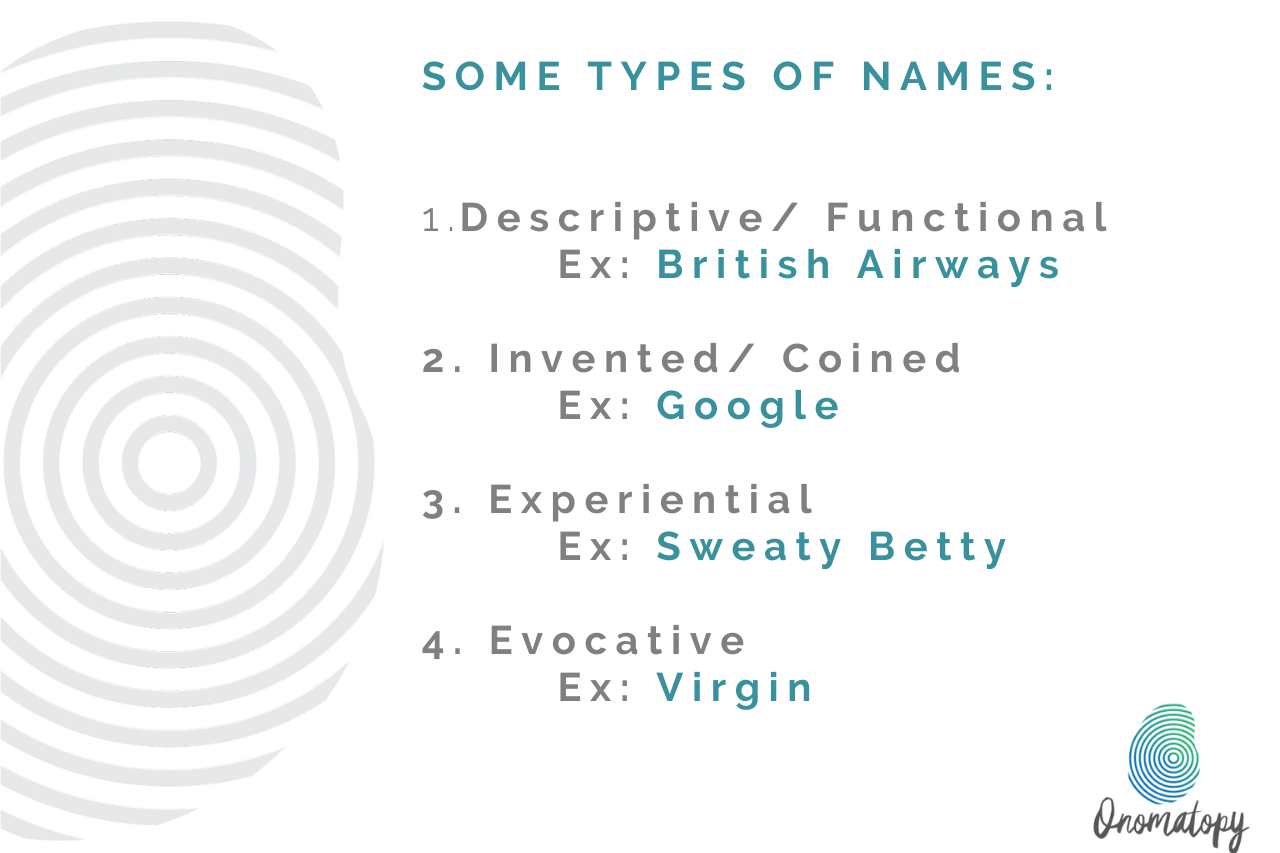
  • Linguistic flexibility and “verbability”: Consider whether the name can be transformed into a verb or action term, like “Google” or “Tweet,” which facilitates brand integration into everyday language.


  1. Positioning 

The positioning of a brand name aligns it with the industry, business category, or product it represents. Consider the following factors when evaluating the positioning of a brand name:

  • Relevance: Ensure that the name reflects the nature of the business and resonates with the target audience.
  • Consistency: The name should align with the company’s personality, values, and long-term goals.
  • Differentiation: The name should set the brand apart from competitors and create a unique positioning in the market.
  • If it’s a name that cannot position the brand in the category, then the tagline substitutes this need.


  1. Energy

The energy of a brand name refers to its ability to capture attention, generate interest, and evoke curiosity among consumers. Consider the following strategies to infuse energy into a brand name:

  • Evocative language: We choose words that elicit emotions, create intrigue, and stimulate curiosity.
  • Bold and impactful: We opt for a name that conveys a strong message, leaving a lasting impression on the audience.


  1. Humanity

A brand name’s humanity encompasses its capacity to evoke emotions, tell a story, and create a connection with consumers. Consider the following elements to infuse humanity into a brand name:

  • Emotional resonance: Select a name that elicits positive emotions or resonates with the target audience’s aspirations, values, or desires.
  • Storytelling: Craft a name that can be associated with a narrative, capturing the essence of the brand’s purpose or heritage.
  • AI tools like ChatGPT are great as a research tools but they lack deep insight and originality, a dimension that makes names unforgettable.


  1. Memorability

A memorable brand name is crucial for creating lasting impressions and facilitating brand recall. Consider the following techniques to enhance memorability:

  • Simplicity: Choose a name that is concise, easy to remember, and avoids complex or convoluted terms.
  • Familiar associations: Incorporate familiar words or concepts that resonate with the target audience, enabling quick recognition and recall.


  1. Ownability

The ownability of a brand name ensures its exclusivity and legal protection. We pre-test the following factors when assessing the ownability of a name:

  • Trademark availability: Conduct a thorough search to ensure the name is not already trademarked or in use by another company in a similar industry and for the targeted markets.
  • Domain name availability, the importance of a simple .com and social media channels availability for the chosen name.


Creating a powerful brand name requires a systematic approach and a clear understanding of your brand concept, objectives, and target audience. By conducting thorough research, developing a comprehensive naming brief, and following the naming phases, you can craft a name that resonates with consumers, sets your brand apart, and drives success in the market.

At Onomatopy, we create names for the global market which will help your company stand out, grow strong and resonate with customers across variuos cultures.

Written by Alina Chirvase, Senior Brand Strategist at Onomatopy. Get in touch. 


HOW TO NAME YOUR START-UP

Naming a start-up can be an exciting but equally a very challenging task. Depending on the company size and the naming brief, help from a professional naming team can bring the long term benefits of a great brand great name. An unforgettable name saves on marketing costs and can be that initial bridge to establish an emotional connection. Emotion is one of the ways through which humans memorize easier, it’s a trigger for curiosity and long-term memorability.

Here are some steps that you can follow to come up with a name for your start-up if professional help is not within easy reach  yet:


1. Dig into the naming trends of the industry you target and think outside the box. Perhaps the best strategy in a tech sector over saturated with names formed artificially with suffixes and prefixes or letter removals would be to come up with a very human approach. Think of names that tell a story, phasal names, even if the final result is longer that you originally hoped for or it has a few words instead of one. As long as the name is easy to pronounce and has some linguistic flexibility (ability to be verbalised in various contexts, thing “google it!”) this can be a great choice.


2. Brainstorm words, phrases, and concepts that describe your startup’s purpose, values, and products or services. Try to come up with as many ideas as possible and write them down. AI based business name generator tools like Namelix can be helpful, but they open up so many threads of thinking that sometimes they make the whole process even more complex. Narrow down your search to a list of potential names while researching to see if they are already being used by other companies or if they are trademarked. Some ideas on how to do this are below.


3. Check the availability of the domain name and social media handles for the names you’re considering. Having a consistent brand name across all platforms can help your start-up with its SEO and general online presence. Platforms like Namechk.com can help but sometimes searching on domain name registrars directly can be more efficient – when you have a winner, you can secure it.

Go to a domain registrar website or a domain name search tool, such as GoDaddy, Namecheap, or Domain.com. Some domain registrars offer high value packs that include hosting for your website which can be an affordable solution to start with if the website is basic a presentation one and not a complex platform.

4. In parallel with the domain availability, check to see if they are already being used by other companies similar to yours or if they are trademarked. Trademark infringement can lead to legal issues and costly lawsuits, so it is crucial to do thorough research and check the availability of the name before finalizing it.

Avoid generic or descriptive terms that are commonly used in your industry. These terms may not be eligible for trademark registration, making it difficult to protect your brand. You can use the UK Intellectual Property Office (IPO) website to search for existing trademarks and once you have confirmed that the trademark is available, you can create a trademark application on the UK IPO website. The application will ask for details such as your name, address, and the goods or services that the trademark will cover. The basic fee for filing a trademark application in the UK starts at £170 for online applications, but if you want to register the same trademark for multiple classes of goods or services, there is an additional fee of £50 for each additional class.

Consider hiring a trademark attorney who can help you conduct a more comprehensive search for potential trademark conflicts and advise you on whether the name is available for registration in UK, Europe, USA and beyond. At Onomatopy, we have a trademark partner who has extensive experience and has worked with top global brands to secure their IP assets. We always do pre-checks before we propose any brand name, it’s part of our process. 


5. Don’t underestimate the cultural and linguistic checks: test your short list of names with your target audience in terms if meaning, pronunciation and memorability and get feedback. This will help you understand how your potential customers perceive your brand name and if the name resonates with them. Use this feedback to refine your list further.


6. Scalability: Finally, it is important to choose a name that can scale with the company’s growth and expansion plans. A name that is too narrow or specific to a particular product or service can limit the company’s future growth and make it difficult to expand into new markets or product lines.

When launching a company in multiple countries or regions, it is essential to ensure that the chosen name does not have any cultural or linguistic connotations that could be perceived negatively in other countries. This requires extensive research and consultation with experts in the region.  So make sure you conduct a basic profanity check which naming professionals usually do with the help of linguists or with specific digital tools.

At Onomatopy, we can help you develop the perfect brand name that ticks all these boxes and we create brands identities that are unique and align with your business goals. A name needs to be timeless, empathetic, and effective and have the capacity to create the right set of associations. This will help your company stand out, grow strong and resonate with customers. We also develop comprehensible visual platforms from logo design to website and office environment design in partnership with a highly talented team.

Written by Alina Chirvase, Senior Brand Strategist at Onomatopy. Get in touch.