
You’ve built the brand. Now it’s time to activate it.
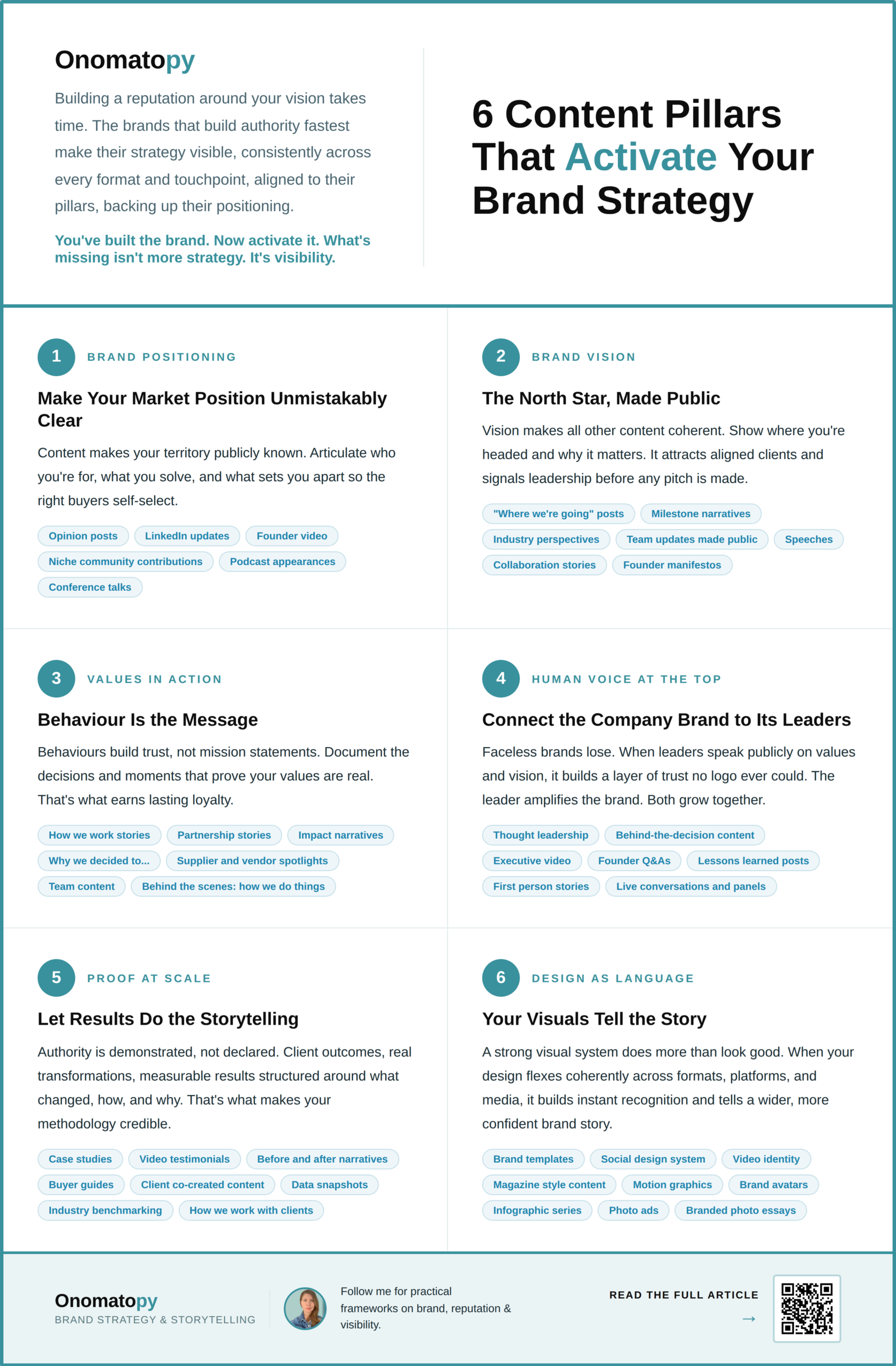
You have the positioning, the vision, the values, and the brand design. The foundation is solid. What’s missing isn’t more strategy, it’s activation. These are 6 content moves that help medium-sized businesses establish their voice as industry experts and own the conversation in their category.
1. Brand Positioning: Make Your Market Position Unmistakably Clear
Your brand occupies a specific territory in the market. Content is how that territory becomes publicly known and consistently reinforced. Regularly articulate the problems you solve, your point of difference, and the clients you’re built for so the right buyers self-select before a conversation ever happens.
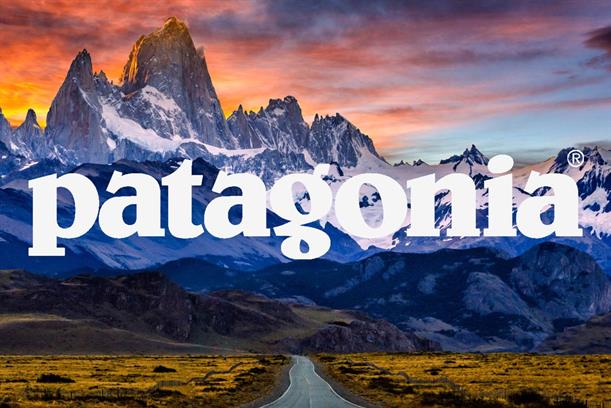
One example is Patagonia’s consistent refusal to chase mass retail. Their content constantly reinforces who they’re for and who they’re not for, making their market position self-filtering.
Formats that work: short-form opinion posts, company LinkedIn updates, founder video takes on industry challenges, niche community contributions, podcast appearances, conference talks.
2. Brand Vision: The North Star, Made Public
Vision is the north star that makes all other content coherent. Content rooted in where your company is headed and why it matters builds magnetic pull. It attracts aligned clients, inspires talent, and signals genuine leadership to the market before a single pitch is made.
One example is IKEA – their vision is “to create a better everyday life for the many,” and every content decision flows from that. Flat-pack furniture wasn’t a cost-cutting measure they apologised for, it was framed as democratising good design, making it accessible to people who couldn’t afford interior designers or premium furniture. That vision-led narrative turned a logistical compromise into a brand ideology that billions of people identify with.
Formats that work: “where we’re going” posts, company milestone narratives, industry perspectives, team updates made public, speeches, collaboration stories, founder manifestos.
3. Values in Action: What You Do Is What You Stand For
Mission statements don’t build trust, behaviours do. Document the decision making processes, partnerships, and moments that prove your values aren’t wall décor. This is the content that earns lasting loyalty from clients, talent, and partners alike.
One classic example is the Netflix Culture Deck: instead of a mission statement on a wall, they published exactly how they make decisions, what they reward, and what they won’t tolerate. It became one of the most shared internal documents in Silicon Valley history.
Formats that work: how we work stories, partnership stories, impact narratives, why we decided to…, supplier and vendor spotlights, team content, behind the scenes: how we do things.
4. Human Voice at the Top: Connect the Company Brand to Its Leaders
Faceless brands lose. When executives and founders speak publicly on values, decisions, and vision, it humanises the company and builds a layer of trust no logo ever could. The leader’s voice amplifies the brand; the brand elevates the leader. Both grow together.
A great example is Sara Blakely, founder of Spanx: by publicly sharing the rejections, the scrappy beginnings, and the unglamorous reality of building the business, Blakely turned her personal voice into the brand’s greatest asset. Spanx became a billion-dollar company that no competitor could replicate, because no one could copy her story.
Formats that work: thought leadership posts, behind-the-decision content, executive video, founder Q&As, lessons learned posts, first person stories, live conversations and panels.
5. Proof at Scale: Let Results Do the Storytelling
The brands that dominate their categories don’t just claim authority, they demonstrate it. Case studies and client outcomes are narrative proof of your methodology. Structure them around transformation: the before, the decision, the process, and the measurable after.
One example is Salesforce’s customer success stories: structured not as testimonials but as full transformation narratives, showing the exact before, the decision, and the measurable business outcome, making the methodology as credible as the result.
Formats that work: case studies, outcome-led video testimonials, before and after transformation narratives, buyer guides, client co-created content, data snapshots, industry benchmarking, how we work with clients.
6. Design as Language: Your Visuals Tell the Story
A strong visual system does more than look good. When your design flexes coherently across formats, platforms, and media, it builds instant recognition and tells a wider, more confident brand story. A flexible visual system that works consistently across every touchpoint – from social to pitch decks to video – is one of the most underleveraged content tools an established brand has.
An example is Innocent Drinks: from the hand-drawn illustrations on their packaging to the grass on top of their vans, every touchpoint used the same flexible visual language. That consistent system travelled from supermarket shelves to social media to festivals, building a brand personality so distinctive it was impossible to copy and instantly recognisable without a single word.
Formats that work: brand templates, social design system, video identity, magazine style content, motion graphics, brand avatars, infographic series, photo ads, branded photo essays.
The brands winning in their categories aren’t necessarily the biggest or the loudest. They’re the ones whose content makes their expertise impossible to ignore. If the foundation is already built, the only question is whether the right people can see it.
Follow me on LinkedIn for practical frameworks on brand, reputation & visibility: www.linkedin.com/in/alinachirvase.
Reach out if you need brand strategy & storytelling help: alina@onomatopy.com